
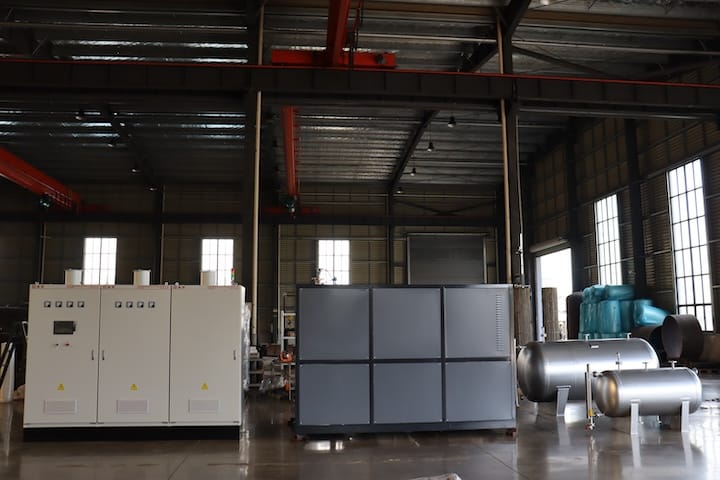
In modern industrial production, the thermal fluid boiler delivers efficient and safe heat for many sectors – including chemical processing, textile manufacturing, building materials, and food production. Compared with traditional steam boilers, a thermal fluid boiler offers distinct advantages: high temperatures at low pressures, superior thermal efficiency, and precise temperature control. Therefore, selecting the right unit requires careful evaluation. This guide provides professional, step‑by‑step advice from multiple perspectives.
1. Define Your Process Temperature Requirements for the Thermal Fluid Boiler
The primary task of any thermal fluid boiler is to supply stable, controllable heat to your production line. Different industries demand very different temperature levels. For example, chemical reactors often require 280–350 °C, whereas textile setting machines typically run in the 200–250 °C range. Before you purchase a thermal oil boiler, clearly determine both the maximum process temperature and the normal operating range. Remember, the thermal fluid itself must have a maximum use temperature higher than your process needs – we recommend allowing a safety margin of 20–30 °C above the required setpoint.
2. Accurately Calculate the Heat Duty of Your Thermal Fluid Boiler
Heat duty forms the foundation of correct sizing. An undersized thermal fluid boiler will cause slow heating and insufficient production capacity; an oversized unit wastes capital and energy. Consequently, we strongly advise that professional engineers perform precise calculations based on heat losses, material heating demands, production rhythm, and other factors. Typical heat duties range from hundreds of thousands to several million kcal/h, so match the thermal fluid boiler’s capacity to your actual scale of operation. For a quick estimate, you can use online heat‑duty calculator .
3. Choose the Right Fuel Type for Your Thermal Fluid Boiler
Fuel selection directly affects operating costs and environmental compliance. Currently, the mainstream fuel options for a thermal fluid boiler include:
Natural gas – clean, high calorific value, highly automated; it is the preferred choice for new projects.
Biomass pellets – lower fuel cost, suitable for regions with reliable biomass supply.
Electric heating – ideal for small systems or locations with strict emission limits.
Waste‑heat utilisation – uses exhaust heat from other processes as the energy source, offering significant economic benefits.
Thus, evaluate local fuel availability, price trends, and emission regulations before deciding on the thermal oil boiler fuel system.
4. Never Overlook the Quality of Thermal Fluid Itself
The thermal fluid acts as the “blood” of the entire thermal fluid boiler system. High‑quality synthetic oils provide excellent thermal stability, low viscosity, superior heat transfer, and extended service life. We recommend choosing reputable synthetic thermal fluids and regularly testing key indicators – such as carbon residue, acid number, and viscosity – to ensure your thermal oil boiler operates reliably over time.
5. Prioritise Safety Features and Automation Level in Your Thermal Fluid Boiler
Modern thermal fluid boiler designs incorporate comprehensive protection devices, including over temperature alarms, pressure relief, low‑level cut‑offs, and emergency shutdown systems. Moreover, a PLC‑based automatic control system enables precise temperature regulation and continuous monitoring. This automation not only reduces manual intervention but also significantly improves operational safety. Therefore, when you evaluate a thermal oil boiler, verify that it meets the latest safety standards (e.g., ASME or EN) and offers user‑friendly digital controls.
6. Evaluate After‑Sales Support and Brand Reputation
A thermal fluid boiler represents a major, long‑term investment. Hence, the manufacturer’s after‑sales service capability is critical. Choose a brand with a broad service network and fast response times – this ensures quick repairs in case of failure and minimises costly downtime. We suggest requesting references and service‑level agreements from multiple suppliers before finalising your thermal fluid boiler purchase. For more detailed maintenance tips, see our thermal fluid system maintenance guide.

Conclusion
Selecting the right thermal fluid boiler is a systematic project. It demands a balanced consideration of process needs, energy resources, environmental policies, and investment budgets. To make an informed decision, conduct thorough market research and, if necessary, invite several vendors to present technical proposals. Ultimately, the best thermal fluid boiler for your plant is the one that matches your unique operating conditions and long‑term production goals.