April 2026

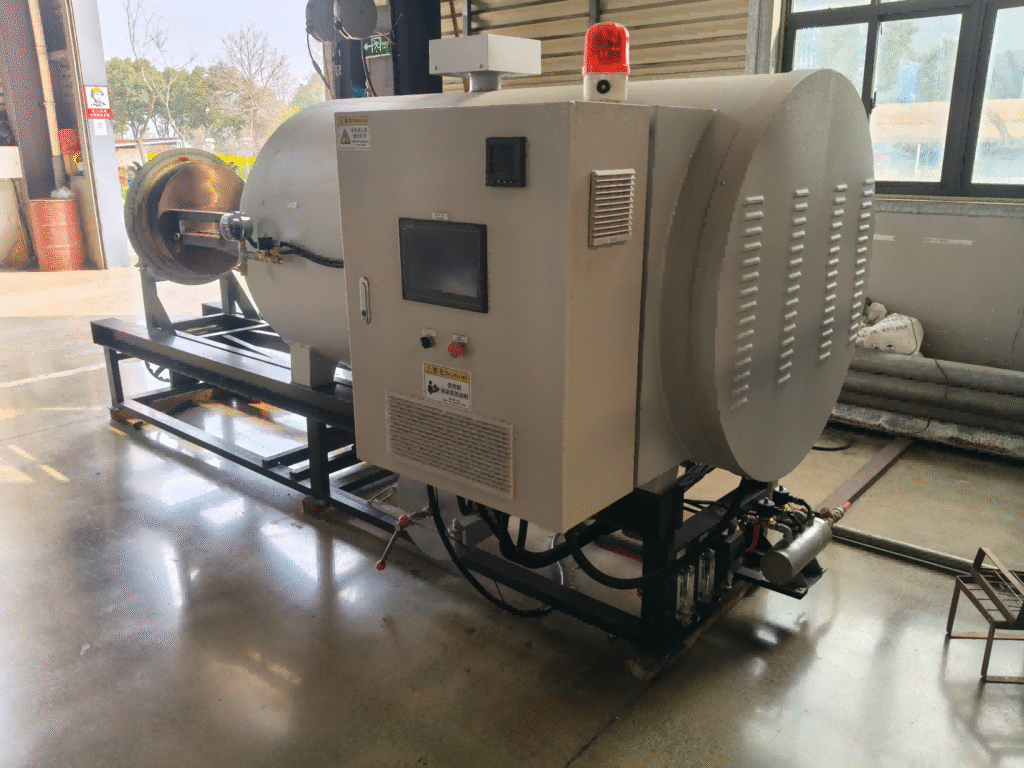
thermal oil heaters

Thermal Oil Heaters vs. Water Temperature Controllers

  Many people new to temperature control equipment often mistake **thermal oil heaters** for water temperature controllers. They assume both devices simply maintain a set temperature. However, once you move to the actual production floor, the differences become clear. Maximum temperature, system pressure behavior, heat transfer fluid properties, and suitable processes all directly impact stability […]

Thermal Oil Heaters vs. Water Temperature Controllers Read More »
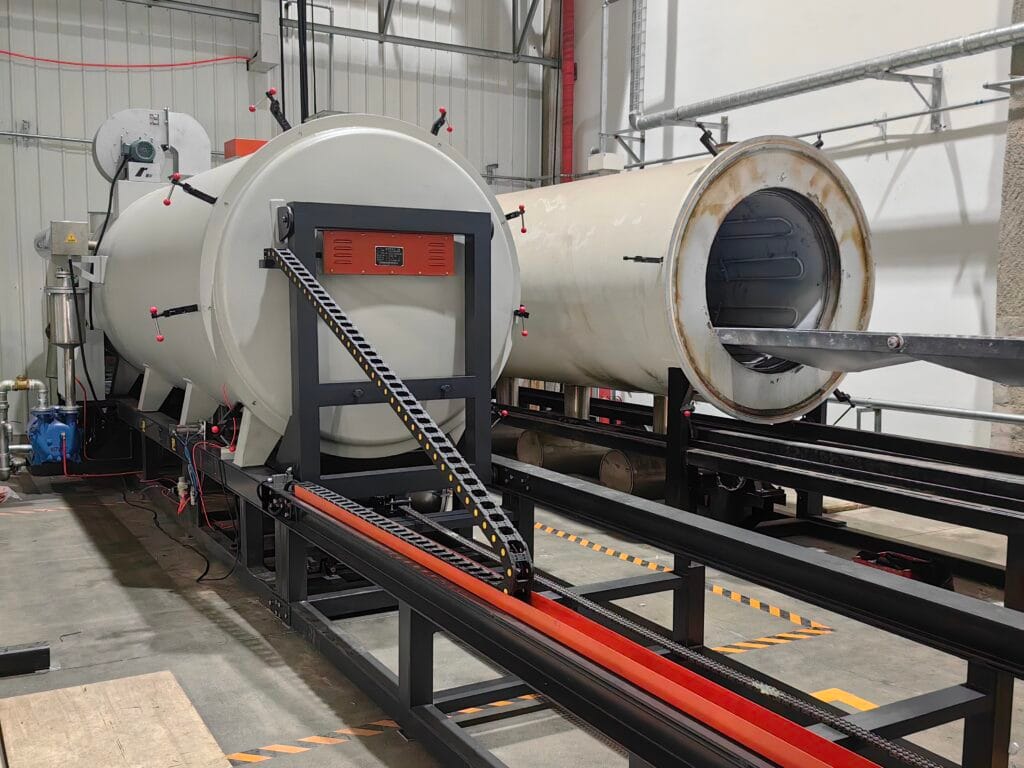
vacuum furnace solutions

Types of Vacuum Furnaces: A Technical Guide to Vacuum Cleaning Furnaces and More

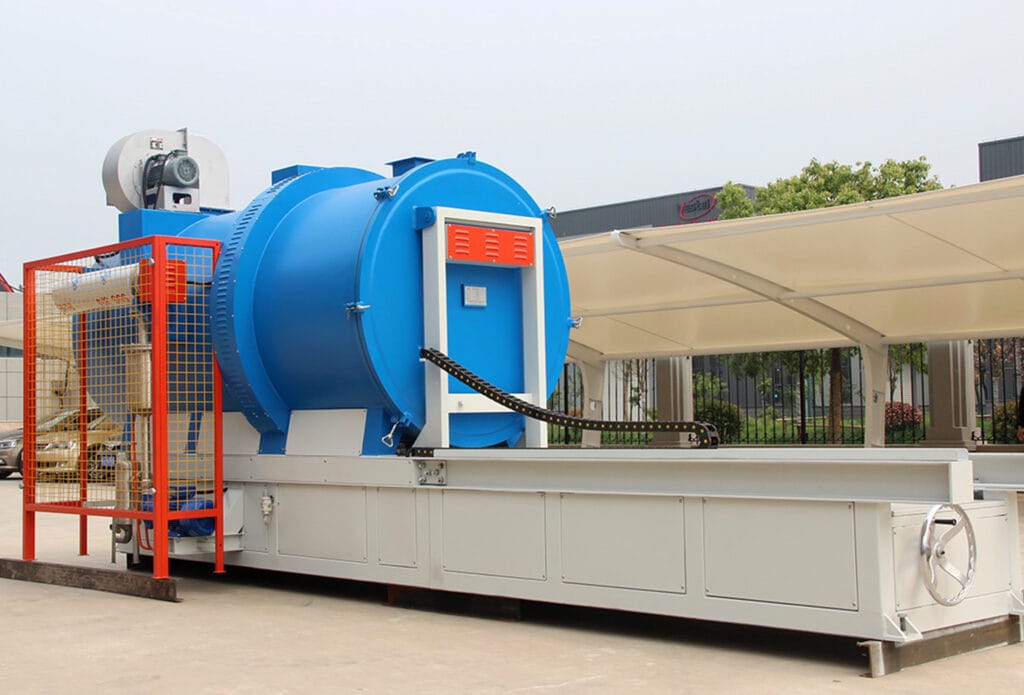
  When engineers discuss thermal processing in controlled environments, vacuum cleaning furnaces often serve as the entry point for understanding modern heat treatment systems. These furnaces remove contaminants through thermal decomposition under reduced pressure. However, vacuum cleaning furnaces represent only one category in a broader family of equipment. To select the right system, you need

Types of Vacuum Furnaces: A Technical Guide to Vacuum Cleaning Furnaces and More Read More »

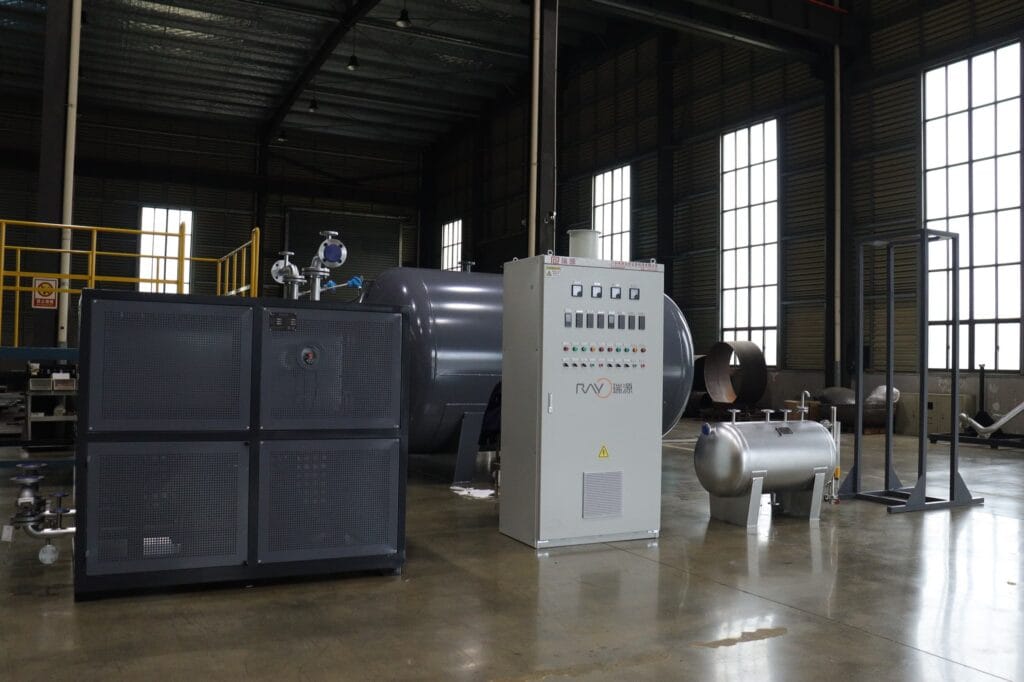
Electric Thermal Fluid Heating Systems for Insulation Material Production: Precision, Cleanliness, and Reliable Dual-Unit Configuration

I. Application Background The production of insulation materials—such as polyimide films, laminates, and insulating varnishes—involves critical processes including coating, hot pressing, curing, and drying. These processes demand exceptional stability, accuracy, and cleanliness from the heat source. Traditional steam heating often falls short due to poor temperature control, high thermal inertia, and risks associated with high-pressure

Electric Thermal Fluid Heating Systems for Insulation Material Production: Precision, Cleanliness, and Reliable Dual-Unit Configuration Read More »

Vacuum Heat Treatment

Vacuum Heat Treatment: The Precision “Operating Table” for Efficient Cleaning in the Polymer Industry

In the production of synthetic fibers and other polymer materials, cleaning precision components such as spinnerets, screws, and filter screens directly determines product quality and production efficiency. Traditional cleaning methods—including open-air calcination, salt baths, and chemical solvents—often fall short. They operate inefficiently, risk damaging delicate parts, consume high energy, generate heavy pollution, and create hazardous

Vacuum Heat Treatment: The Precision “Operating Table” for Efficient Cleaning in the Polymer Industry Read More »

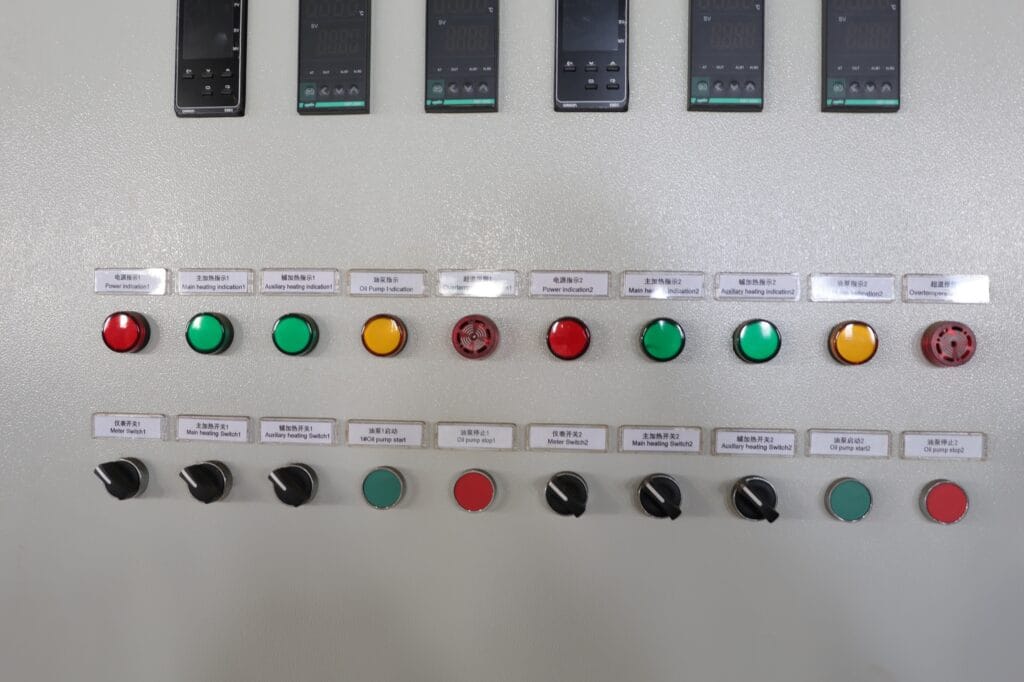
Control cabinet

Vacuum Cleaning Furnace Alarm Systems: Triggers, Sensors, and Safety Mechanisms

  In the modern production and R&D of chemical fibers and polymer materials, the cleaning quality of precision components like spinnerets and filter screens directly impacts product quality and production efficiency. Traditional cleaning methods such as calcination and salt baths are gradually giving way to more advanced and environmentally friendly vacuum cleaning technologies. As the

Vacuum Cleaning Furnace Alarm Systems: Triggers, Sensors, and Safety Mechanisms Read More »

vacuum cleaning furnace

Analysis and Countermeasures for Red-Hot Discharge Ports in Vacuum Cleaning Furnaces

  Red-Hot Conditions at the Discharge Port of Vacuum Cleaning Furnaces pose serious safety risks. This article analyzes why this happens, provides a five-step emergency response, and outlines preventive maintenance to keep your equipment safe. I. Why Does the Discharge Port of a Vacuum Cleaning Furnace Become Red-Hot? Accumulation of Residuals and Secondary Combustion (the

Analysis and Countermeasures for Red-Hot Discharge Ports in Vacuum Cleaning Furnaces Read More »

Scroll to Top