
Introduction: The Hidden Killer Inside Your Extruder
You press the start button, and the extruder rumbles to life. But at some point, you notice subtle anomalies—uneven plasticization, surface defects on products, and quietly rising energy consumption.
The root cause often hides inside a screw wrapped in layers of carbon deposits.
Carbon buildup is an invisible killer that troubles countless production engineers. How can you remove it thoroughly and efficiently without harming the screw itself?
Traditional Cleaning Methods: Hidden Traps Behind Many Options
Conventional cleaning methods seem abundant, but they carry real risks.
Direct calcination involves open flames and uncontrolled temperatures. High heat easily damages the screw’s metallographic structure, causes surface oxidation, and reduces mechanical strength.
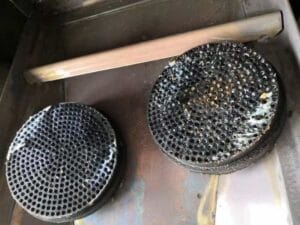
Other techniques—like fluidized bed cleaning, TEF alcoholysis, or salt bath cleaning—often leave chemical residues, create environmental pollution, or produce dead zones in cleaning. These methods struggle with complex screw geometries or precision spinnerets.
In short, these approaches are like scraping the bone to cure a disease. They may remove deposits, but they also harm the screw’s fundamental integrity.
Why the Industry Needs a Vacuum Cleaning System
The industry calls for a more advanced, gentle, and thorough solution.
That is why Vacuum Cleaning System technology enters the spotlight. Its core strength lies in two concepts: vacuum and precise control.
How a Vacuum Cleaning System Works: Three Steps to a Pristine Screw
Step 1: Create an Oxygen-Free Barrier
The system first evacuates the sealed chamber to a deep vacuum level.
This step does more than remove air. It establishes a low‑oxygen environment. Oxygen is the main culprit behind high‑temperature metal oxidation and lattice damage. By eliminating oxygen, the Vacuum Cleaning System protects the screw from the very beginning.
Step 2: Perform a Controlled, Gentle Thermal Decomposition
Next, the system injects a limited amount of fresh air.
Under program control, the chamber temperature rises precisely to a set range—ideal for pyrolyzing high‑polymers. Carbon deposits are essentially residual polymers. In this low‑oxygen, temperature‑controlled environment, they do not burn violently. Instead, they undergo a mild cracking and charring process. Uniform heat penetrates the deposits and breaks them down into fine ash.
Step 3: Restore the Metal’s Original Luster
Because the process largely excludes active oxygen, the screw’s metal base avoids high‑temperature oxidation.
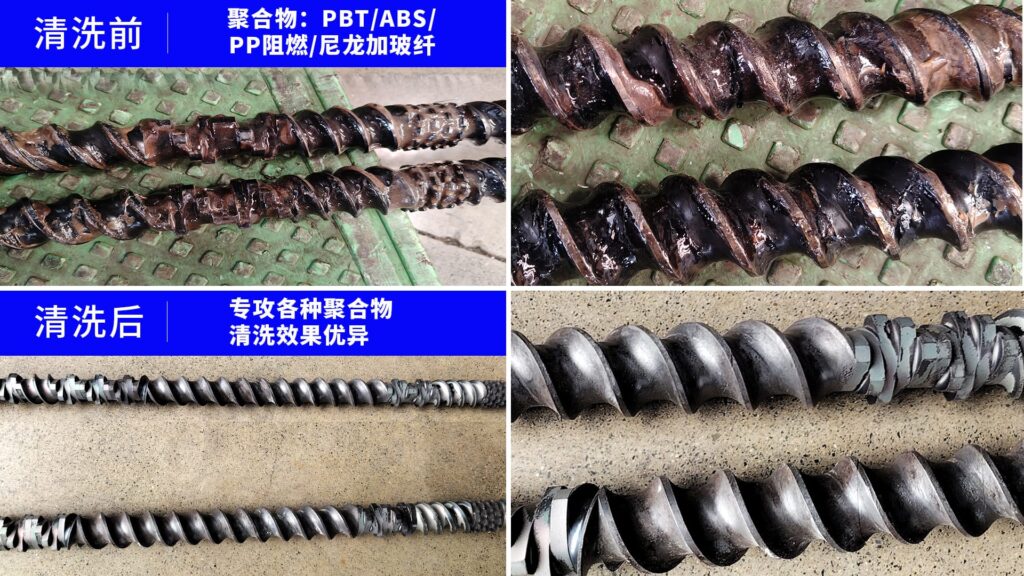
After cleaning, you open the door and see a screw that retains its original metallic sheen—sometimes even looks brand new. All deposits are gone. Threads are sharp and clean. This restoration means more than good looks; it guarantees mechanical performance and dimensional accuracy.
Before vs. After: The Real Value of a Vacuum Cleaning System
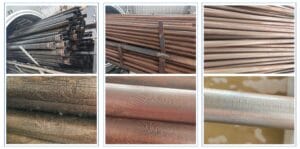
Before cleaning, hard black or dark brown carbon fills the screw flight clearances. Material flow decreases, conveying efficiency drops, and plasticization suffers. The direct results are unstable product quality and higher energy use.
After cleaning, the Vacuum Cleaning System removes every trace of carbon. The metal surface becomes smooth, and flow paths reopen.
The improvements are immediate:
- Much better plasticization uniformity
- Higher extrusion stability
- Lower product rejection rates
- Reduced drive resistance and lower overall energy consumption
Modern Automation and Safety Features
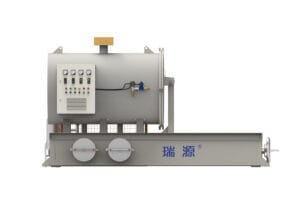
Advanced Vacuum Cleaning System units integrate full automation and high safety standards.
They use PLC or DCS intelligent control systems to manage the entire cycle—vacuuming, heating, soaking, and cooling—fully automatically. Multi‑stage heating ramps ensure steady temperature increases and avoid thermal shock.
Multiple safety mechanisms include automatic over‑temperature shutdown, burst discs, and double pressure relief valves. These features eliminate old problems like open flames, temperature overshoot, and indoor pollution.
This design not only guarantees repeatable and highly consistent results but also frees operators from high‑risk environments. It achieves both safety and efficiency.
Preventive Maintenance: Treating the Root Cause Before Carbon Forms
Even the best cleaning is still a cure after the disease.
For true prevention—stopping excessive carbon buildup before it starts—daily fine‑tuning and maintenance matter just as much.
Follow these key practices:
- Strictly control processing temperatures to avoid local overheating
- Use special purging compounds regularly to clean the screw
- Fully remove heat‑sensitive materials before shutdown
- Choose raw materials with better thermal stability to reduce decomposition by‑products
Combine the ultimate cleaning power of a Vacuum Cleaning System with daily preventive maintenance. This approach keeps your extruder running at its best.
Conclusion: From Compromises to Precision Cleaning
Screw cleaning technology has evolved from crude scraping and damaging burn‑offs to today’s precise, intelligent vacuum pyrolysis.
This evolution reflects the broader march of industrial manufacturing toward greater precision, environmental responsibility, and safety.
We no longer need to compromise between cleaning effectiveness and component damage. A proven Vacuum Cleaning System protects your production line’s smooth operation and extends the life of your core components.
Are you also looking for a better balance between maintenance efficiency and cost? Feel free to share your insights and experiences.