
Industrial cleaning furnaces play a vital role in removing organic residues from metal parts, molds, spinnerets, and other precision components. Traditional cleaning methods often fall short when dealing with stubborn polymers, resins, and carbon deposits. Pyrolysis oxidation control offers a superior alternative. This process combines thermal decomposition with controlled oxidation to deliver thorough, safe, and environmentally compliant cleaning. This article explores the fundamentals of pyrolysis oxidation control for cleaning furnaces, examines key control strategies, and highlights best practices for optimal performance.
What Is Pyrolysis Oxidation Control in Cleaning Furnaces?
Pyrolysis oxidation control refers to the precise regulation of temperature, atmosphere, and timing within a cleaning furnace to achieve two sequential objectives. First, the furnace heats the contaminated parts in an oxygen-deficient environment to pyrolyze—or thermally decompose—organic residues into volatile gases and carbonaceous char. Second, the furnace introduces controlled amounts of oxygen to oxidize the remaining char into carbon dioxide and water vapor.
This two-stage approach distinguishes modern pyrolysis oxidation control systems from simple burn-off ovens. By separating pyrolysis from oxidation, operators can prevent uncontrolled combustion, minimize smoke emissions, and protect the integrity of the parts being cleaned.
The Core Components of a Pyrolysis Oxidation Cleaning Furnace
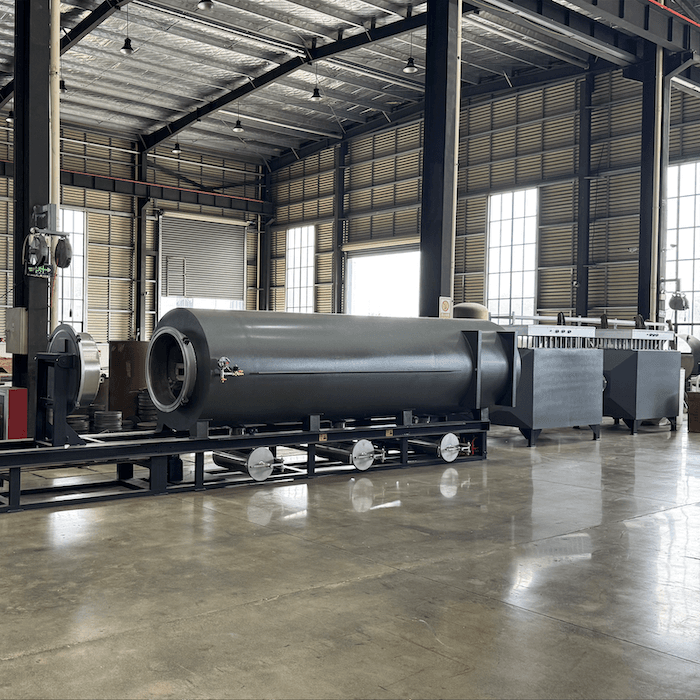
A typical cleaning furnace equipped with pyrolysis oxidation control includes several essential subsystems:
The process chamber houses the parts to be cleaned. This chamber must withstand high temperatures—typically ranging from 350°C to 650°C—while maintaining uniform heat distribution.
The burner system provides the heat source. In many designs, the primary burner heats the chamber during the pyrolysis stage. The system automatically restricts air supply when the set temperature is reached, effectively suffocating any potential fire.
The thermal oxidizing afterburner treats the exhaust gases. This secondary combustion unit raises the gases to temperatures of 800°C to 1,100°C or higher, oxidizing fumes and odors before they exit the stack. This feature makes pyrolysis oxidation control systems compliant with stringent environmental regulations.
The control system—often PLC-based—monitors and adjusts temperature, airflow, and cycle timing in real time. Advanced controllers can also manage water spray systems that prevent dangerous temperature spikes.
How Pyrolysis Oxidation Control Works: A Step-by-Step Process
Understanding the operational sequence helps clarify why pyrolysis oxidation control delivers such effective cleaning results.
Stage 1: Chamber Purging
The cleaning cycle begins with a purge step. The system removes oxygen from the chamber using an inert gas such as nitrogen or by simply restricting air intake. This step creates the oxygen-deficient atmosphere necessary for safe pyrolysis.
Stage 2: Pyrolysis (Thermal Decomposition)
With the oxygen level reduced—often to around 10% compared to the normal 21% in air—the furnace heats the parts to the pyrolysis temperature range. Organic contaminants break down into volatile compounds and leave behind a carbonaceous residue.
During this stage, pyrolysis oxidation control actively manages the heating rate and temperature profile. If a sudden temperature rise occurs—common when processing large combustible loads—the control system limits the oxygen supply to prevent runaway reactions.
Stage 3: Oxidation (Char Removal)
After pyrolysis completes, the system introduces a small amount of air into the chamber. This initiates the oxidation stage, where the remaining carbon char burns off at temperatures between 400°C and 500°C. The result: clean parts with residual contamination below 0.1%.
Stage 4: Cooling and Unloading
Once oxidation finishes, the furnace cools down. The operator can then unload the parts, which emerge with pristine surfaces and no chemical residues.
Key Parameters in Pyrolysis Oxidation Control
Effective pyrolysis oxidation control depends on careful management of several critical parameters.
Temperature
Temperature directly influences both pyrolysis and oxidation kinetics. Most cleaning furnaces operate between 350°C and 650°C for the pyrolysis phase. The oxidation phase typically runs slightly cooler, around 400°C to 500°C. Precise temperature control ensures complete residue removal without damaging the metal substrate.
Atmosphere Composition
The oxygen concentration within the chamber determines whether pyrolysis or oxidation predominates. During pyrolysis, operators maintain an oxygen-deficient atmosphere—typically below 10% oxygen. During oxidation, they introduce air to raise the oxygen level and promote complete combustion of carbon char.
Cycle Time
Cycle duration varies with the type and amount of contaminant. Automated pyrolysis oxidation control systems adjust cycle times dynamically, running only as long as necessary to process the load. This optimization reduces energy consumption and increases throughput.
Exhaust Gas Treatment
The afterburner temperature represents another crucial control parameter. Maintaining the afterburner at 800°C to 1,100°C ensures complete oxidation of volatile organic compounds and eliminates odors.
Control Strategies for Optimal Pyrolysis Oxidation Performance
Modern cleaning furnaces employ sophisticated control strategies to maximize the effectiveness of pyrolysis oxidation control.
PLC-Based Automation
Programmable logic controllers (PLCs) form the brain of the system. They monitor multiple sensors, execute pre-programmed cleaning recipes, and adjust parameters in real time. Operators can select from various programs tailored to different polymer types—PA, PP, PET, ABS, and more.
Temperature Feedback Control
Closed-loop temperature control maintains the chamber at the set point despite load variations. When the temperature drops, the burner reactivates and the air supply opens automatically. When the set temperature is reached, the system restricts airflow to prevent overheating.
Emission Monitoring
Gas sensors detect the composition of exhaust gases during the cleaning cycle. This information allows the control system to adjust combustion conditions for complete oxidation of harmful substances such as NOx and SOx.
Safety Interlocks
vacuum pyrolysis furnace systems incorporate multiple safety features. These include automatic combustion detection, high-limit switches, purge timers, and backup water spray systems. If the system detects a combustible mixture or a component failure, it terminates airflow, shuts off the heater, and sounds an alarm.
Applications of Pyrolysis Oxidation Control Cleaning Furnaces
Industries across the manufacturing spectrum benefit from pyrolysis oxidation control technology.
Chemical Fiber Industry
Spinnerets and filter cores used in fiber production accumulate polymer residues that clog fine holes. vacuum cleaning furnaces remove these residues completely, restoring the parts to like-new condition.
Plastics and Polymer Processing
Extrusion dies, melt-blown molds, and screen packs require regular cleaning to maintain product quality. The controlled pyrolysis-oxidation process eliminates resins without damaging the precision surfaces.
Electronics and PCB Manufacturing
Soldering fixtures and wave-solder pallets collect flux and solder residues. vacuum pyrolysis furnaces clean these components safely, extending their service life.
Powder Coating Industry
Paint hooks and racks accumulate cured powder coatings that are difficult to remove mechanically. Thermal cleaning with vacuum pyrolysis furnace strips these coatings efficiently.
Advantages of Pyrolysis Oxidation Control Over Traditional Methods
Why choose pyrolysis oxidation control over alternative cleaning techniques? The advantages are substantial.
Superior Cleaning Quality
vacuum pyrolysis furnaceremoves residues from blind holes, fine drill holes, and complex geometries that mechanical cleaning cannot reach. The residual contamination rate falls below 0.1%, exceeding industry averages by more than 30%.
Environmental Compliance
Unlike solvent-based or salt bath cleaning, vacuum pyrolysis furnace produces no hazardous waste liquids. The process emits only CO₂ and water vapor, helping facilities meet EPA regulations and qualify for ISO 14001 certification.
Cost Savings
Automated vacuum pyrolysis furnace systems reduce labor costs by up to 80% and energy consumption by 20% compared to manual methods. Shorter cycle times—around 8 hours versus 12 to 24 hours for traditional methods—increase throughput.
Equipment Protection
Because vacuum pyrolysis furnace avoids open flames and aggressive chemicals, it extends the life of tooling and precision components. The controlled atmosphere prevents oxidation of the metal substrate itself.
Best Practices for Implementing Pyrolysis Oxidation Control
To maximize the benefits of vacuum pyrolysis furnace, follow these best practices.
Select the Right Furnace for Your Application
Consider the type and volume of contaminants, the size and geometry of parts, and the required throughput. Some furnaces specialize in small-batch maintenance, while others support continuous large-scale operations.
Develop Custom Cleaning Recipes
Different polymers decompose at different temperatures. Work with your equipment supplier to develop customized programs that optimize pyrolysis oxidation control for your specific residues.
Monitor and Maintain Critical Components
Regularly inspect thermocouples, burner nozzles, water spray systems, and afterburner elements. A well-maintained system delivers consistent pyrolysis oxidation control performance and prevents unplanned downtime.
Train Operators Thoroughly
Although modern pyrolysis oxidation control furnaces offer one-click operation and unattended processing, operators must understand the underlying principles and safety procedures. Proper training ensures they can respond effectively to alarms and anomalies.
Future Trends in Pyrolysis Oxidation Control Technology
The field of pyrolysis oxidation control continues to evolve. Several trends deserve attention.
Intelligent Control Systems
Machine learning algorithms are beginning to optimize pyrolysis oxidation control parameters automatically. These systems learn from past cycles and adjust settings to achieve the best possible cleaning results with minimal energy input.
Integration with Industry 4.0
Modern cleaning furnaces increasingly feature connectivity for remote monitoring and data analytics. Real-time performance data enables predictive maintenance and continuous process improvement.
Enhanced Emission Control
As environmental regulations tighten, afterburner designs are becoming more efficient. Some systems now achieve near-zero VOC emissions while consuming less fuel.
Conclusion
Pyrolysis oxidation control represents the gold standard for thermal cleaning of industrial components. By precisely managing temperature, atmosphere, and timing, this technology delivers thorough residue removal, environmental compliance, and significant cost savings. Whether you clean spinnerets, extrusion dies, or paint hooks, a well-implemented vacuum pyrolysis furnace system will enhance your maintenance operations and extend the life of your valuable tooling.
For more information on industrial cleaning furnace technologies, explore our related articles on thermal cleaning systems and polymer residue removal solutions.