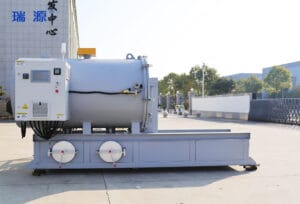
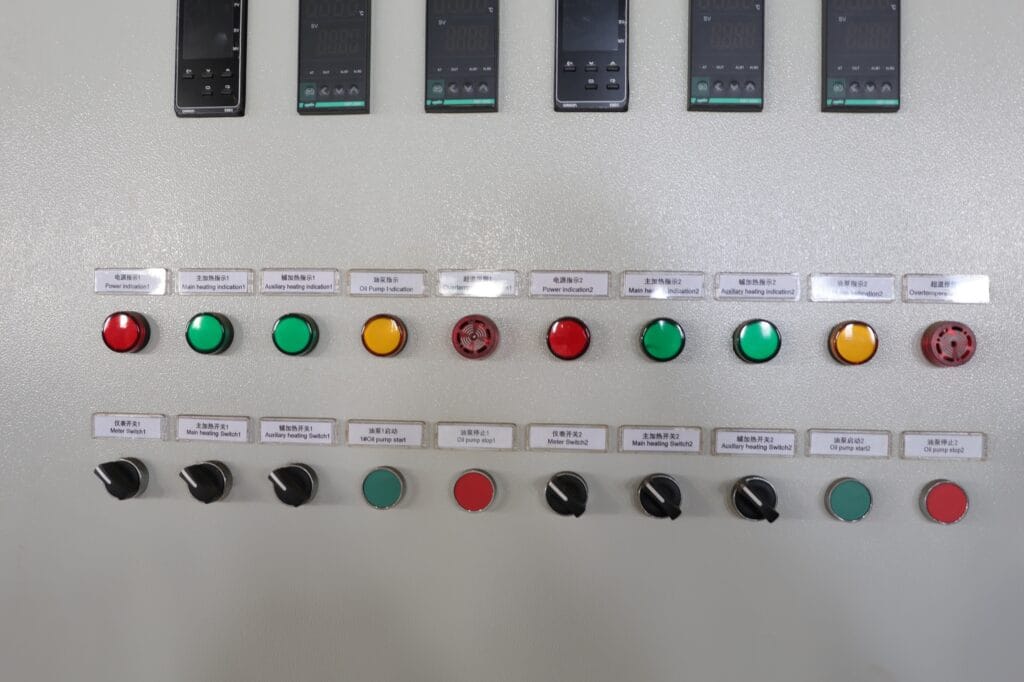
In the modern production and R&D of chemical fibers and polymer materials, the cleaning quality of precision components like spinnerets and filter screens directly impacts product quality and production efficiency. Traditional cleaning methods such as calcination and salt baths are gradually giving way to more advanced and environmentally friendly vacuum cleaning technologies. As the core equipment in this field, the stable and safe operation of vacuum cleaning furnaces is critical. Behind this reliability, a sophisticated and robust multi-layered safety alarm system acts as a guardian. Today, we will take an in-depth look at the core components and working mechanisms of Vacuum Cleaning Furnace alarm system.
Key Trigger Conditions:
A complete alarm system in a vacuum cleaning furnace follows a design logic that spans the entire cleaning process. Its purpose is to prevent, detect, and respond to various potential risks. The trigger conditions for alarms mainly stem from abnormal deviations in several key process parameters.
First, we have temperature overruns. The furnace uses zone heating technology to achieve precise temperature control. A high-quality temperature control system maintains accuracy within ±1°C. The alarm system continuously monitors the furnace chamber and each heating zone. If it detects a temperature exceeding the process upper limit or an abnormal heating rate, the system triggers an alarm immediately. This prevents overheating from damaging the workpiece or causing equipment failure.
Next, abnormal vacuum levels also trigger alarms. The cleaning process requires a specific vacuum environment to promote organic decomposition and prevent oxidation. The system continuously monitors the vacuum pressure inside the furnace. If the vacuum pump unit malfunctions or a seal fails, preventing the system from reaching or maintaining the set vacuum level, the alarm activates. This ensures the process environment meets the required standards.
Additionally, pressure safety interlocks play a key role. Although vacuum cleaning furnaces mainly operate under negative pressure, their pressure vessels and piping systems must still follow strict safety regulations. The alarm system works with pressure sensors to monitor system pressure and provide overpressure protection.
Power parameter abnormalities, such as heater overcurrent, short circuits, or control system power failures, also serve as important alarm triggers. The equipment uses high-quality electrical components, but continuous monitoring can identify electrical issues at the earliest stage.
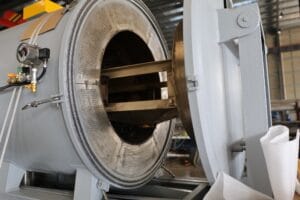
How Sensors Feed Data into the Vacuum Cleaning Furnace Alarm System
So how does the system accurately capture these abnormal signals? This depends on a series of core sensors.
Temperature sensors act as the system’s sensory nerve endings. They are typically platinum resistors or thermocouples, placed at key locations in the furnace chamber and near the heaters. These sensors convert temperature into real-time electrical signals. Vacuum pressure sensors constantly monitor pressure changes inside the furnace, and their signals are essential for determining whether the vacuum environment meets the requirements. Pressure sensors guard the pressure-bearing components, ensuring they operate within safe limits. Current and voltage sensors monitor the main circuit and heater power status, helping prevent electrical accidents. Together, these sensors act as the equipment’s eyes and ears, converting physical quantities into signals the control system can recognize.
When alarm conditions trigger, the system responds quickly and systematically. Usually, the control system immediately issues audible and visual alarms to alert the operator. At the same time, the system automatically executes preset protective actions. These may include cutting off the main heater power, starting an emergency cooling program, or closing relevant valves to prevent the situation from worsening. The system also records all alarm events, including their time, type, and parameters, for later traceability and analysis.
Industrial Safety Ratings Integrated with the Vacuum Cleaning Furnace Alarm System
In terms of safety protection levels, modern high-standard vacuum cleaning furnaces consider the demands of complex industrial environments. For example, certain equipment can achieve Exd Ⅱ CT4 explosion-proof certification for its electric heating system. This means the equipment can operate safely in environments with Class II, Group C, T4 explosive gases. Furthermore, the overall electrical control cabinet can reach an IP66 protection rating. This completely prevents dust ingress and withstands powerful water jets, ensuring the reliability and lifespan of internal components even in humid, dusty workshop environments.
From a broader perspective, a well-designed alarm device is not just an independent safety module. It represents the intelligence and reliability of the entire equipment. The alarm system deeply integrates automatic control technology, sensor technology, and safety design principles. Its true value lies in shifting from post-incident recovery to pre-incident prevention and real-time control. For companies pursuing production continuity, product consistency, and operational safety, choosing a vacuum cleaning furnace with a complete and reliable alarm system represents a significant investment in process quality and asset protection.
With the development of industrial IoT technologies, features like optional RS485 communication enable remote monitoring and data collection for these alarm signals. This makes equipment management more proactive and efficient. This progress is not just a technological advancement but also reflects a production philosophy centered on safety and reliability. Along the path of precision manufacturing, every alarm beep serves as the equipment’s serious commitment to quality and safety.