
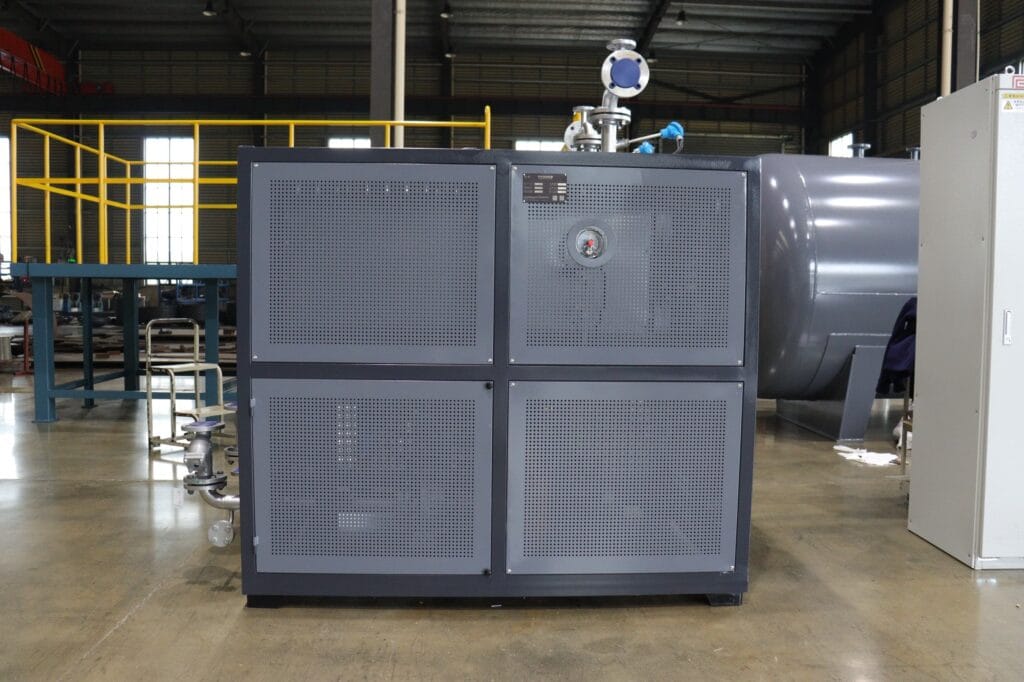
Step 1: Know Your Process “Recipe” Before Choosing a Thermal Oil Heater Working High Temperature
In a chemical plant, a thermal oil heater working high temperature works like the heart of production. Its performance directly affects both efficiency and safety. You can choose between inline fluid heaters, large reactor jackets, electric systems, or thermal fluid heaters. Each option has clear strengths. Still, decision-makers often feel overwhelmed by the choices.
Keep in mind that selecting equipment is never about buying higher power or the most expensive unit. A wrong choice can raise energy costs or reduce output. In the worst case, it may lead to safety accidents or regulatory shutdowns. Therefore, every decision must balance efficiency, safety, compliance, and cost. This guide will help you find the most reliable thermal oil heater working high temperature for your plant.
Start by defining your process needs. Different chemicals and reactions require different heat delivery methods.
For example, high-viscosity fluids like asphalt or resin need a thermal oil heater working high temperature to provide stable and even heat. Such a unit operates reliably above 350°C. It also prevents localized overheating and coking. Meanwhile, fine chemical or pharmaceutical synthesis is very sensitive to temperature shifts. In these cases, electric heating rods or infrared heaters offer faster response and tighter control.
Always identify your core process parameters first. What is the maximum operating temperature you need? Do you run steady-state heating or periodic temperature changes? How much does your heat load vary? Answering these questions helps you match the right heating technology to your process.
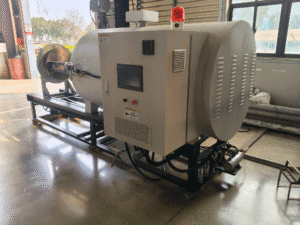
Step 2: Look Past the Data – Understand Safety Features in a Thermal Oil Heater Working High Temperature
Safety remains the lifeline of chemical production. Technical specification sheets contain dense numbers, but these figures hide key safety logic.
Pay close attention to pressure rating and material construction. For jacketed reactor heating, the jacket’s working pressure must exceed any pressure inside the reactor. It also needs to match the corresponding temperature class. Material corrosion resistance matters just as much. Heating tubes that handle chlorine or sulfur-bearing media require special alloys. Standard materials may corrode and leak over time.
Control system redundancy is another top priority. A reliable system includes three protection layers: primary temperature control, over-temperature alarm, and independent emergency cut-off. These layers act like multiple safety locks. If one layer fails, backup mechanisms respond immediately. This approach stops risks before they grow.
Explosion-proof certification is mandatory in flammable environments. Look for ratings such as Ex d IIC T4. Never compromise on this requirement to save money. A properly designed thermal oil heater working high temperature must include all these safety elements.
Step 3: Turn Compliance into a Competitive Advantage with an Efficient Thermal Oil Heater Working High Temperature
Under today’s stricter environmental regulations, energy efficiency and emissions performance are no longer optional. They have become entry tickets to the market.
Do not evaluate efficiency by rated power alone. Instead, focus on thermal efficiency, insulation quality, and heat recovery potential. For instance, a well-designed hot air circulation oven with optimized airflow and sealing can save more than 20% energy compared to conventional units. In addition, advanced flue gas heat recovery systems reuse exhaust heat to preheat feedstock or produce hot water. This achieves cascading energy use.
Environmental compliance also requires early planning. For combustion-based heaters like natural gas hot air furnaces, check whether nitrogen oxide emissions meet ultra-low standards. Also verify whether equipment noise stays within plant limits. Address these points with suppliers before you make a purchase. Request test reports or compliance commitments. A high-performance thermal oil heater working high temperature will help you avoid costly post-installation problems.
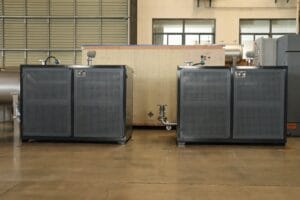
Customization Means Matching – Not Luxury – for Your Thermal Oil Heater Working High Temperature
Standard equipment may satisfy general needs. However, complex chemical production often demands tailored solutions. Customization does not mean adding unnecessary features. It achieves deep alignment with your process, space, and maintenance requirements.
For example, limited floor space may require a horizontal or modular split heating system. Processes requiring frequent product changes benefit from quick-connect clamp-type heating interfaces. These greatly improve changeover efficiency. For highly automated continuous production lines, intelligent temperature control modules with seamless DCS or PLC integration become essential.
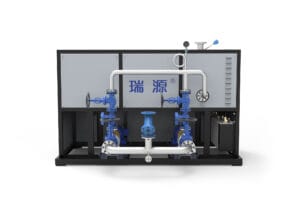
A professional equipment supplier delivers more than manufacturing. They offer full-process services including process analysis, system design, non-standard customization, installation, commissioning, and operator training. They study your actual operating conditions and propose optimization suggestions. They may even help you identify hidden process bottlenecks. Such collaboration creates 1+1>2 value.
Selecting a high-temperature heating system means making a long-term critical production investment. This decision goes beyond comparing technical data points. Take a systematic view: deeply understand your process behavior, rigorously examine equipment safety, proactively plan for environmental and energy performance, and rely on deep customization to synchronize equipment with production rhythm.
When your thermal oil heater working high temperature operates quietly, efficiently, and stably within your production line, every careful decision made during selection translates into sustained productivity and peace of mind. Choose the right heart for your chemical plant, and the entire facility will beat with stronger, more reliable pulse.